Western literature note week 10
ü de means down, away
from For example: detach
ü fate 表現戲劇張力,自己不能選的
ü destiny,
destination 自己可以選的
ü A fatal woman, is a seductive woman that ensnares
her lovers by charm and often leads them into compromising, dangerous, and
deadly situations. Ancient mythical or historical examples include the Sphinx, Clytemnestra and Salome.

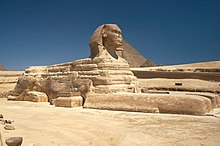
ü A sphinx is a mythical
creature with the body of a lion and a human head. Those who
cannot answer its riddle suffer a typical fate, as they are
killed and eaten by this ravenous monster. This deadly version of a sphinx
appears in the myth and drama of Oedipus.
ü Romeo and Juliet
are Italian people.
ü Dramatic irony is the device of revealing
the information to the spectators, which creates a situation that a character's
speech or actions is known by the audience but unknown to the character
concerned. In Oedipus the King, the audience knows that
Oedipus himself is the murderer that he is seeking.
ü Tragic flaw is an error of
judgment, a mistake of fact, or a tendency towards certain mistakes because of
moral weakness caused by a protagonist that drives the Plot towards a tragic
end, inspiring pity and fear feelings. In the Iliad, Achilles’ rage defies
Agamemnon, which leads to dishonor and death of comrades.

ü
Hubris, which means extreme pride or
self-confidence, often indicates a loss of contact with reality and the person may
suffer consequences from the wrongful act. For example, Midias punched
Demosthenes in the face in the theatre Against Midias.


0 個意見:
張貼留言
訂閱 張貼留言 [Atom]
<< 首頁